Can I Install Windows 7 On Lenovo T60
Posted : admin On 11.09.2019My laptop is filled with viruses and Windows XP is just becoming impossible to work with.
I've been interested in Ubuntu for a while, so, would I be able to use something like Debian to clear my HDD and OS and then install Ubuntu and start fresh?
After you have found the right Lenovo CD / DVD device driver, follow these simple instructions to install it. Power off your Lenovo CD / DVD device. Disconnect the device from your computer. Reconnect the device and power it on. Double click the driver download to extract it. If a language option is given, select your language.
Zanna5 Answers
Download Ubuntu, create a bootable CD/DVD or a bootable USB flash drive. Boot form whichever one you create, and once you get to the installation type screen, choose replace Windows with Ubuntu.
If you're comfortable with dealing with partitions, then you can choose something else, delete any existing partitions, and then create a Ext4 partition mounted at / and a swap partition.
For more information on how to install Ubuntu see Install Ubuntu
If you have got on your computer and the Bluetooth doesn't work, fix it with the solutions in. 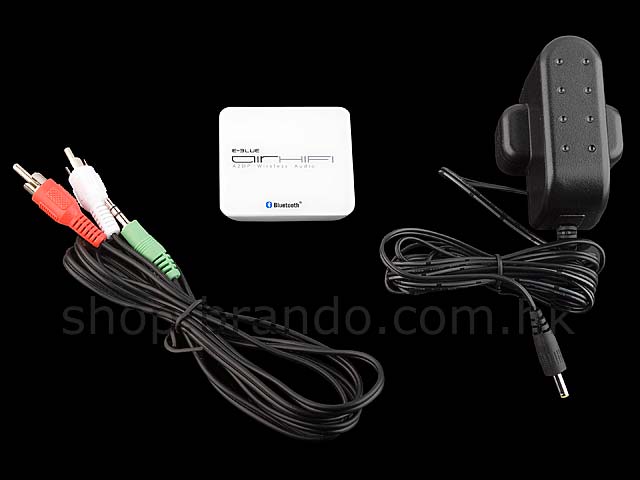 And the Windows operation systems that include in-box support for Bluetooth wireless technology are Windows 10, Windows 8.1, Windows 8, Windows 7, Windows Vista, Windows XP with Server Pack 2 (SP2) and later. Thus, the Bluetooth, as a wireless technology, and the Bluetooth hardware will work properly. The most common Bluetooth device drivers are for ALPS integrated Bluetooth device, Belkin Bluetooth adapter, Generic Bluetooth radio, ALPS Bluetooth USB adapter, Blutonium BCM2035 bluetooth 2.4 GHz Single Chip transceiver, IBM integrated Bluetooth II, USB Bluetooth device, CSR Nanosira, GVC Bluetooth Wireless adapter, FIC Bluetooth wireless adapter – you name it.
During the Ubuntu installation, you are given three options:
- Install Ubuntu alongside your existing Operating System(s)
- Erase disk and install Ubuntu
- Something else
In your case, you could simply select option 2, above. This would be a good option if this is your first install. It will wipe Windows and delete your data.
The third option, Something else, allows you to delete existing partitions, create new partitions, and format partitions. This could be a choice for you as well, if you want a little more control over your disk.
If you're unsure about partitioning, go with option 2.
Also, be ready for a learning curve, as with any new operating system. However, you will really appreciate being able to use your computer without the viruses.
ZannaYou are now in the place that I was in about a year ago! It can be a bit tough at times but stick with it - it's worth it. But start with a plan, even if it's just a simple one in your head. List what you need from your Windows disk, for example:
- Your CV
- All business letters/spreadsheets/databases/ebooks/manuals/downloads
- All photos & music
- Important emails that are not also with the email service provider
Next, decide where are you going to put them. Depending on the space required, you could use a free account with dropbox - 2+GB. Another 15GB with Google drive; 1TB (yes, that's 1000GB or 1000000MB) for your photos with flickr. If required/preferred, use an external USB drive, as they are cheap enough now. Boot from a Linux DVD and do the copying under Linux. You will be able to scan the files for viruses under Linux later. Then follow Mitch's instructions to Replace Windows.
You will experience niggles and doubts but stick with an LTS (Long Term Support) release of Ubuntu so you don't get the recently-added-but-not-thoroughly-tested enhancements and additions. Find alternative programs to allow you to what you do with Windows. There's a lot to choose from sometimes but you can ask advice on the forums like these. Good luck!
Install Windows 7 On Lenovo T60
Yes of course you can.
And to clear your hard drive you do not need an external tool.
You just have to download the Ubuntu iso, write it to a disk, boot from it, and when installing choose the option wipe the disk and install Ubuntu.
ZannaIf you have the space on your hard drive, I would recommend keeping your Windows installation and creating new swap and ext4 partitions for your new Ubuntu installatio.
In other words, choose Install Ubuntu alongside Windows when asked, since you surely have some documents, music, photos &c. in your Windows install that you'd like to save. Once you have successfully installed Ubuntu, you can copy over anything you want to save from your Windows partition into your ext4 partition. (Ext4 is the filesystem used by Ubuntu; Windows uses NTFS, a proprietary Microsoft filesystem.)
After you've finished moving the files you want to save, you can remove your Windows partition and enlarge the ext4 space by booting from a live USB or DVD and using the gParted tool, which comes with the Ubuntu live system by default.
You may need to update your GRUB (GRand Unified Bootloader) after resizing your ext4 partition. I've used instructions for doing so from this post on Ubuntu forums with unqualified success. I also migrated to Ubuntu 12.04 after having used Windows exclusively my entire life, and I cannot express how much more satisfied I am with Ubuntu's performance.
Zannaprotected by Community♦Mar 29 at 8:58
Thank you for your interest in this question. Because it has attracted low-quality or spam answers that had to be removed, posting an answer now requires 10 reputation on this site (the association bonus does not count).
Would you like to answer one of these unanswered questions instead?
Not the answer you're looking for? Browse other questions tagged system-installation or ask your own question.
When forgot Lenovo laptop password, we can reset Windows forgotten laptop password. Or restore Lenovo laptop to factory settings can become another choice.
Factory Reset Lenovo laptop with Thinkvantage Rescue and Recovery software:
All Lenovo Systems are installed with Thinkvantage Rescue and Recovery software, which could be used to recover system to factory default settings. If it makes efforts on your Lenovo laptop, that would be better. Prepare Rescue & Recovery Startup Disc to boot Lenovo laptop.
1. Insert Rescue & Recovery Startup Disc into laptop CD drive.
2. Turn on the system by pressing the power button.
3. ThinkVantage Technologies are running and then Rescue and Recovery tool will load from the Recovery Media. Click the “Continue” button.
4. You will see a few options to choose from on the following screen. Please click the Restore Your System option on the left. Or click the Full Restore button in the following pop-up window. And you will see a warning message, and click “OK” or “Continue”.
5. Select what kind of a recovery you wish to perform. Now make sure that Factory Recovery is selected and click on the Restore button.
6. A warning message about data loss will now appear, click “Yes” or “Continue”.
7. Click the “OK” to continue in the pop-up dialog.
8. Restore Factory Contents Wizard will now run. Click Next button to continue.
9. Accept Terms and conditions in the following screen, and click “Next”.
10. Click “Next” button to start the recovery.
More detailed information is introduced in http://support.lenovo.com/en_US/detail.page?LegacyDocID=MIGR-70803
Factory Reset Lenovo Thinkpad Laptop with NOVO Key
When your Thinkpad laptop couldn’t load Windows system successfully, press NOVO key to enter System Recovery interface when your laptop is closed. And there would be several options for you to choose from. Select factory reset.
But it only works when hide partition is not destroyed. If hide partition has been destroyed or laptop hard disk is changed, you need to get other system recovery disc or tool to factory reset Lenovo laptop.
The above is used to restore Windows system to factory settings. If you want to only factory reset BIOS or CMOS for Lenovo laptop, follow the below.
1. Set BIOS
Press F1 to enter BIOS when you power on Lenovo laptop, and then press F9 to restore CMOS to factory default settings. Press F10 to save and access BIOS screen again. Choose “LOAD BIOS DEFAULTS” is OK.
2. Remove CMOS Battery
Open your Lenovo laptop and take down BIOS battery.
All of BIOS settings on the mainboard are saved on BIOS chip. And it could run based on battery. Take down this battery and discharge, and BIOS settings would restore to default settings.
3. Set jumper
There are CMOS data remove jumpers on the mainboard, go on to do according to the instructions on specification.
Tips:
Factory reset computer or laptopwould lose some files. So please backup the important files to another disc on computer or laptop before you run full factory reset.
Related Articles: